












 Coming up at the store
An eighth is 3.5 grams, and the other sizes follow from it
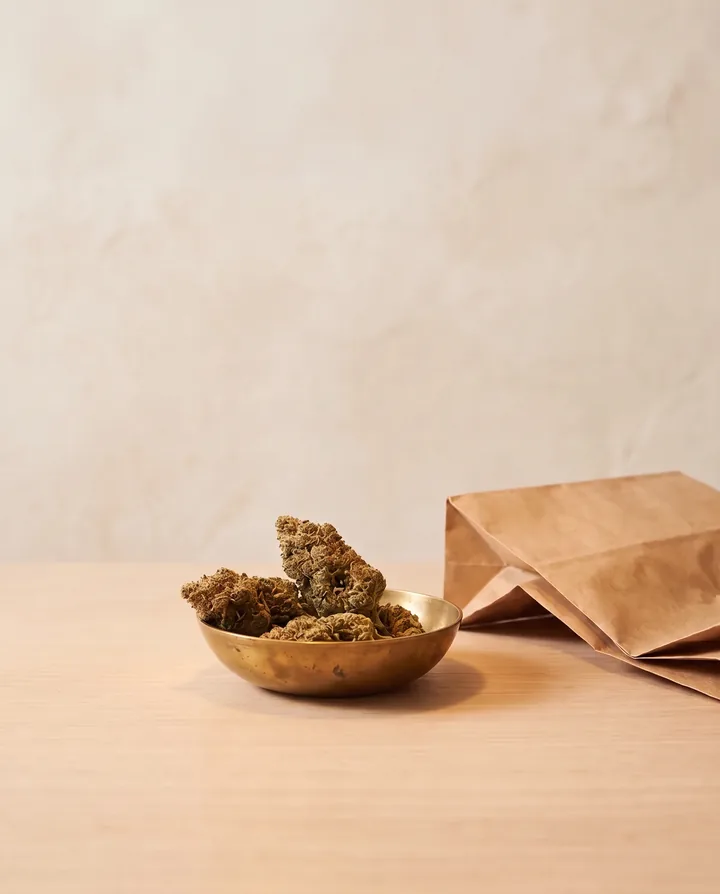
Flower is sold in a few standard weights. Leafly's glossary entry on the eighth lists them as an eighth at 3.5 grams, a quarter at 7 grams, a half at 14 grams and an ounce at 28 grams. Each larger size is a whole number of eighths.
HighStone's menu labels flower sizes as fractions of an ounce, such as 1/8oz on an eighth. This is what each label holds:
| Menu label | Size | Grams | Eighths inside it |
|---|---|---|---|
| 1/8oz | Eighth | 3.5 | 1 |
| 1/4oz | Quarter | 7 | 2 |
| 1/2oz | Half ounce | 14 | 4 |
| 1oz | Ounce | 28 | 8 |
Read the listing before you compare two eighths
Every eighth weighs 3.5 grams, so weight never explains a gap between two of them. The listing is where the difference shows. Check three things on each one:
- Brand. The same strain name from two brands is two different products.
- How it was grown. Look for indoor, outdoor or greenhouse in the product name or description.
- Smalls. A listing that says smalls holds smaller buds.
Then compare like with like: indoor with indoor, smalls with smalls, one brand's eighths with each other. If a listing does not say how the flower was grown, ask at the counter in the Clove Road store before you pick between two.
The typical figure in the eighth row is the median. Half of the eighths on the menu are priced at or below it and half at or above. The lowest and highest figures are each a single product, so the median is the steadier guide to what an ordinary eighth costs here.
Price per gram is the fair way to compare sizes
A quarter or an ounce only saves money if it costs less per gram than the eighth, and the sticker price does not show that. Three steps settle it:
- Find the size on each listing and look up its grams in the size table.
- Divide the price by the grams: 3.5 for an eighth, 7 for a quarter, 14 for a half ounce, 28 for an ounce.
- Compare the results, not the sticker prices.
There is a shortcut. An ounce holds eight eighths, so if the ounce costs less than eight times the eighth, the ounce is cheaper per gram. A quarter holds two eighths and a half ounce holds four, and the same test works for both.
Weight, pack size and infusion decide what a pre-roll comparison means
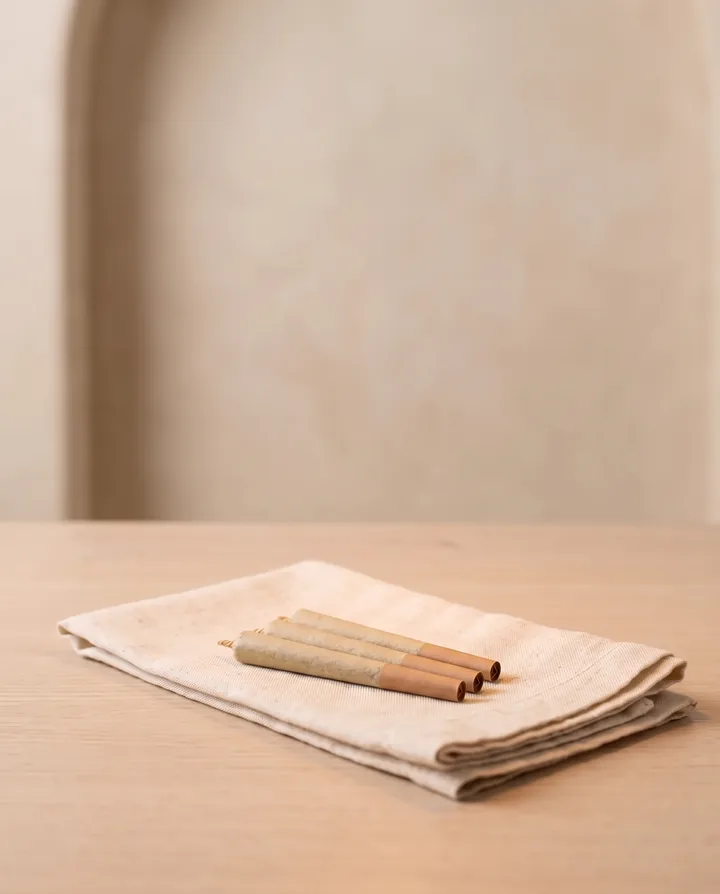
Three details on a pre-roll listing tell you what you are comparing: how much flower is inside, whether it is a single or a pack, and whether it is infused.
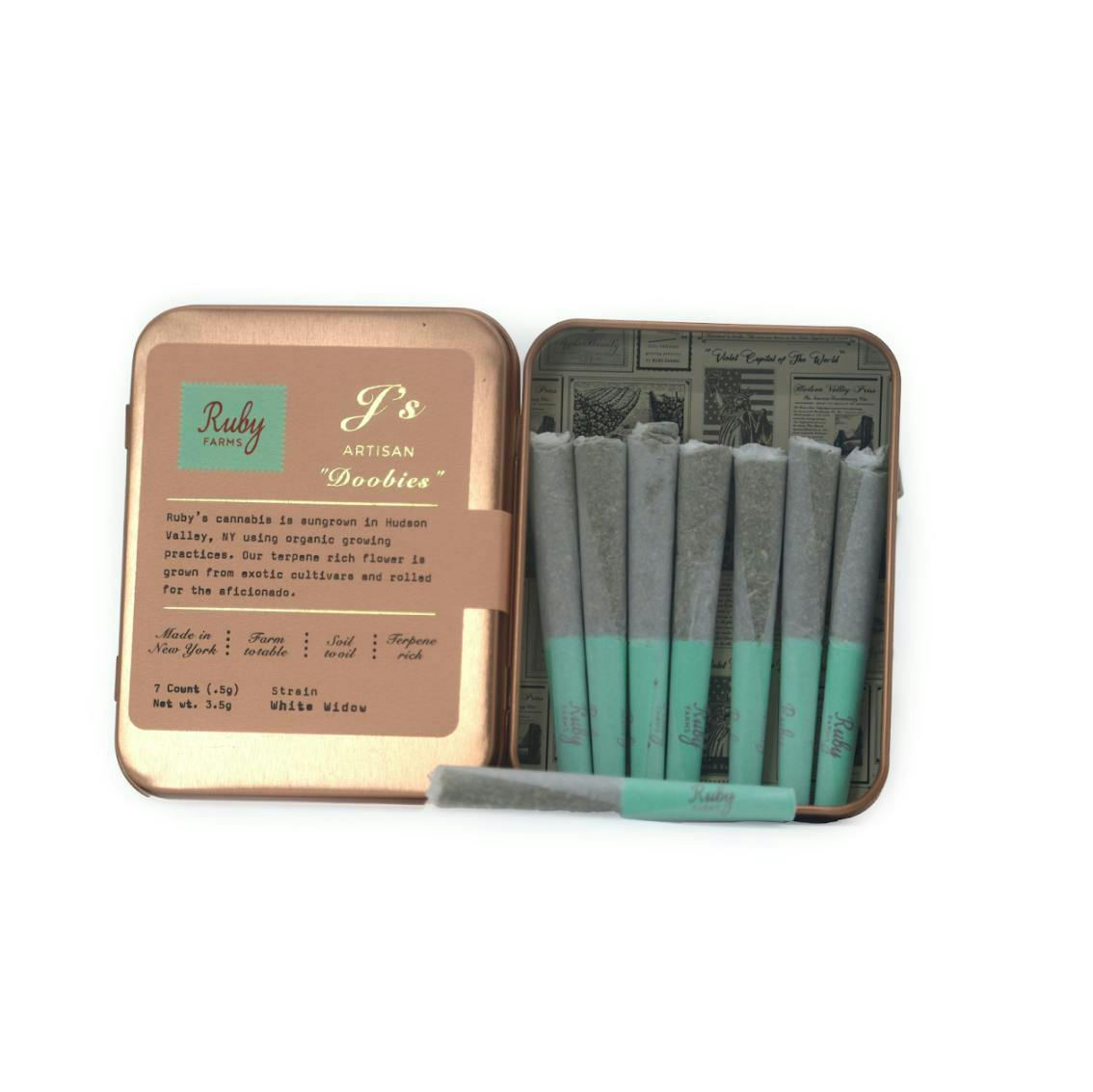
Pre-rolls on HighStone's menu come in more than one weight, so read the grams on the listing and divide by them, the same way as flower. A pack holds several pre-rolls under one price. Divide that price by the number in the pack to set it against a single.
Infused pre-rolls have concentrate added to the flower, either on the outside or rolled inside. That makes them a different product from a plain pre-roll, and the price table gives them their own row. Compare an infused pre-roll with other infused pre-rolls.
Gummies, drinks, disposables and cartridges are priced by the pack or unit
Outside of flower and pre-rolls, a listing price covers a package or a single item, and the comparison changes with it.
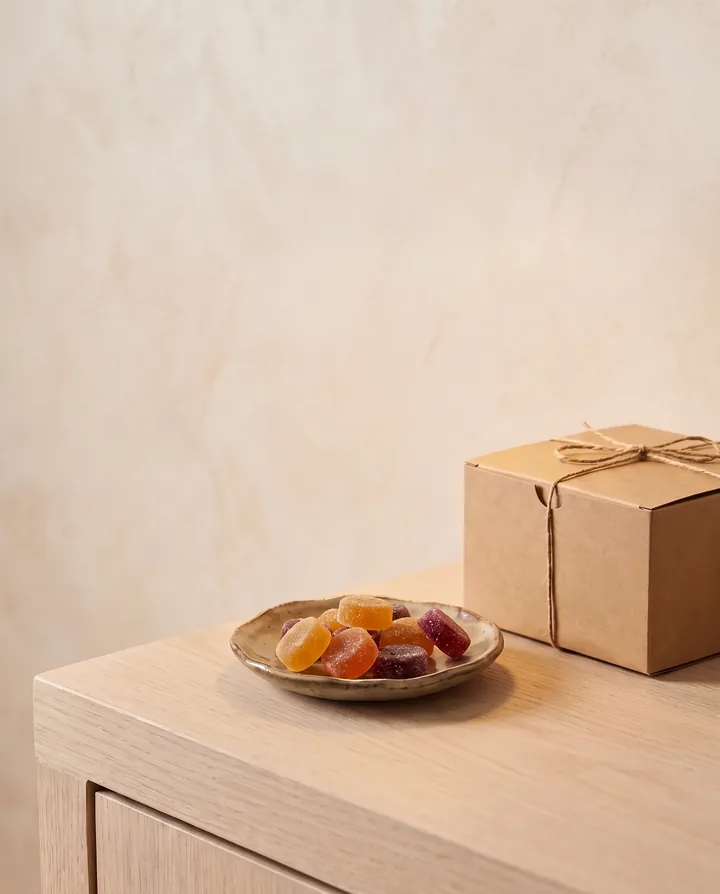
- Gummies are priced by the package. Divide by the number of pieces on the label for a price per piece, and read the label for the milligrams in each piece.
- Cannabis drinks are listed one at a time and some as multipacks. Divide a multipack by its count to compare it with a single.
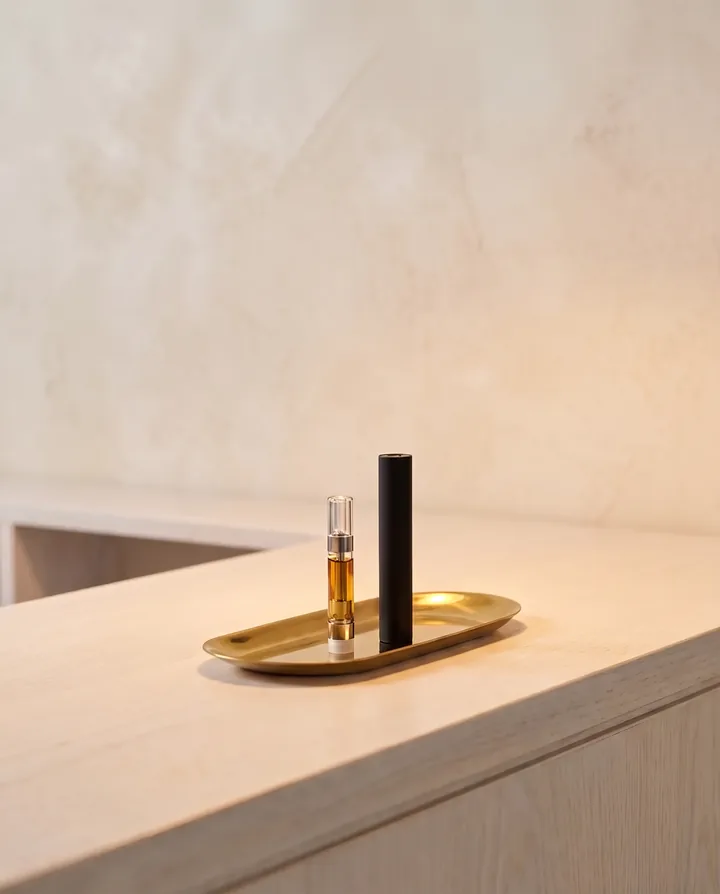
- Disposable vape pens are a single-use, pre-filled device you throw away when empty, so the price covers the whole device. Compare them with each other by the oil weight on each listing.
- Most cartridges screw onto a separate battery, which makes a cart a different product from a disposable. Compare carts with other carts, by the oil weight on each listing.
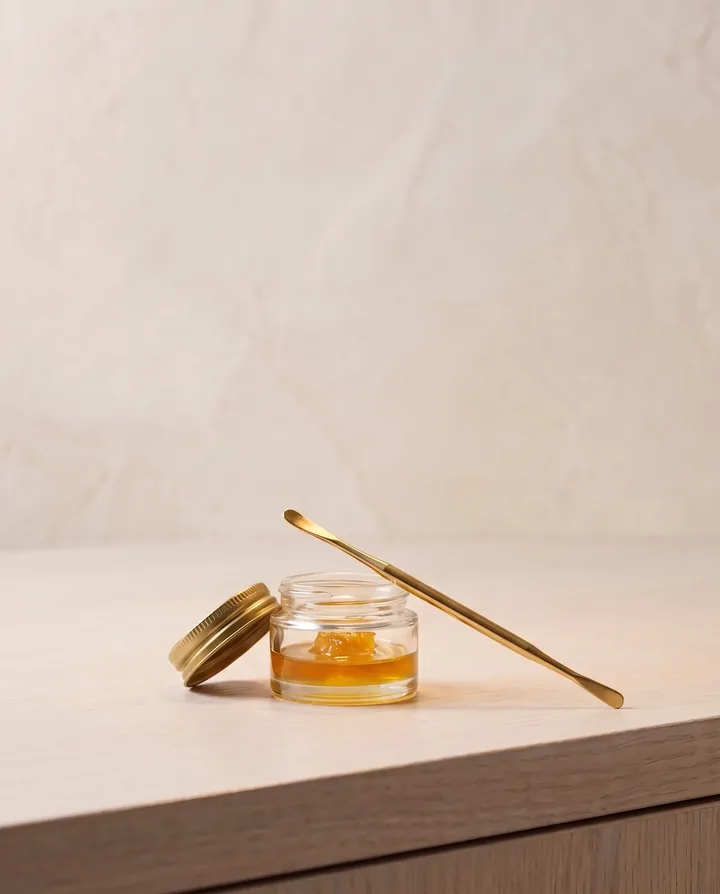
Live rosin carts hold live rosin, which Leafly's glossary defines as a solventless cannabis concentrate made from fresh-frozen cannabis plants. That makes a live rosin cart its own product, so compare its price with other live rosin carts of the same size.
Menu prices already include sales tax
HighStone's menu states that all sales tax is included in the product price, so a listing's price is not a pre-tax figure.
That is one reason a dispensary's prices can look high next to another's. A menu that lists prices before tax looks cheaper than one that includes it. When comparing HighStone with another store, line both up the same way before deciding which is lower: the same size, the same format, tax included on both, then the per-gram check.
Where HighStone's specials show
Current deals are posted on the specials page, and the terms that apply are the ones shown on the menu listing. The price table on this page uses regular listed prices before any special, so a discounted eighth can cost less than its row shows. Run the same per-gram check on a discounted item as on any other.