















 Coming up at the store
Where terpenes in weed come from, and why they fade
Cannabis makes terpenes in the same resin glands that hold THC and CBD.
They do not last forever. Heat, light, time and oxygen break terpenes down, which is why a jar that barely smells has usually lost some of its aroma. It is also why a panel is a snapshot: the lab tests a sample from the batch, and the result describes that sample on the day it was tested.
How to read a terpene panel and total terpenes
The terpene panel is the section of a certificate of analysis, or COA, that lists each terpene the lab measured. Each row is a percentage of the product's total weight. Rows marked ND mean the lab did not detect that terpene, and rows marked below LOQ were under the lab's limit of quantitation, too small to put a number on.
Bring the smell you like to the counter or to the live menu, then read the panel in this order:
- Find the terpene section on the COA or the product listing.
- Find the largest amount. That terpene leads the panel and usually leads the aroma.
- Read the next two or three rows. They shape the rest of the smell, which is why two products led by the same terpene can still smell different.
- Read total terpenes last.
Total terpenes tells you how much measured aroma material is in the sample by weight, and nothing about whether you will like it. Two products with the same total can smell nothing alike if one is mostly limonene and the other mostly myrcene. Labs also differ in how many terpenes they list, and a short panel can leave the smaller ones off, so a total from one lab is not a like-for-like match for a total from another.
A cannabis testing lab's own guide to reading a COA explains the ND and LOQ markings if you want to see them on a sample report.
Caryophyllene: black pepper and clove aroma
Look for beta-caryophyllene, sometimes shortened to BCP, on the panel. It is the same compound found in black pepper and cloves, and hops, cinnamon, basil and oregano carry it too. The aroma is pungent, peppery and earthy.
Some panels also print a row for caryophyllene oxide, which forms when beta-caryophyllene reacts with oxygen. Read it as a separate row. Do not add it to the beta-caryophyllene figure when you are working out which terpene leads the panel.
Limonene: citrus peel aroma
Not every citrus smell is limonene. Terpinolene carries hints of citrus too, so a lemony product name is not proof of what leads the panel. Check the numbers.
Limonene itself has a zesty, lemon aroma. It sits in the rinds of citrus fruits, and in ginger as well.
Linalool: lavender aroma
Linalool in weed is the same terpene found in lavender oil. Its fragrance is light, sweet, floral and a little woody, and some noses pick up a note of blueberry.
Myrcene: ripe mango and hops aroma
Think of the last flower you liked. If it smelled earthy and musky, with something like ripe mango or fresh hops underneath, the myrcene row is the first one to check. Myrcene also occurs in mango, lemongrass, basil and hops.
It is one of the most common terpenes in cannabis, so expect to see it near the top of plenty of panels.
Terpinolene, pinene and humulene: the lighter notes
All three are on the short list of terpenes that cannabis produces most often, so they are worth knowing by name:
- Terpinolene is the hard one to place: citrus, wood, flowers and pine at once. Apples, lilac, nutmeg and cumin carry it too.
- Pinene smells like pine. Pine needles, rosemary, dill, basil and parsley all have it, and you may see it split into alpha-pinene and beta-pinene.
- Humulene brings an herbal, almost woody note. It is the main terpene in hops, and sage and ginseng carry it as well.
Humulene is often found alongside caryophyllene, so it is common to see the two on the same panel.
Why there is no fixed list of myrcene, limonene or caryophyllene strains
People search for myrcene strains, limonene strains and caryophyllene strains as if each terpene had a fixed list of names. It does not. Two strains bearing the same name can vary from grower to grower, and one producer's batches can shift too.
The panel for the batch in front of you is the only reliable answer. So start from the smell you like rather than a strain name: pepper, citrus, lavender, mango or pine. That smell points to a terpene, and the terpene points to the panels on the batches in stock. The table at the bottom of this guide does that lookup across the whole menu.
Shopping flower, vapes and pre-rolls by terpene
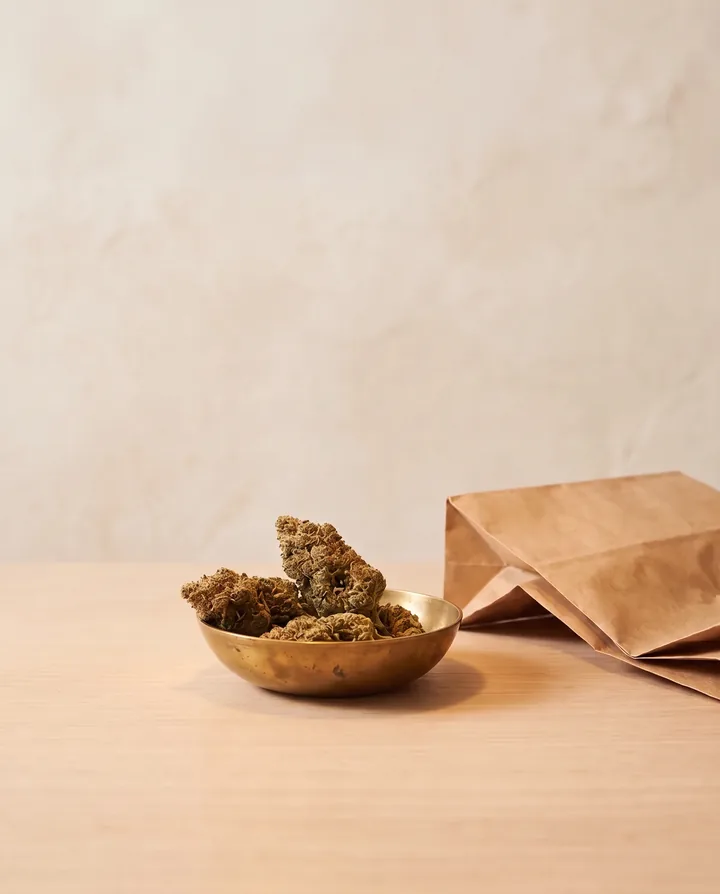
Flower on HighStone's menu is the plain case: the panel describes the same plant material that is in the jar.
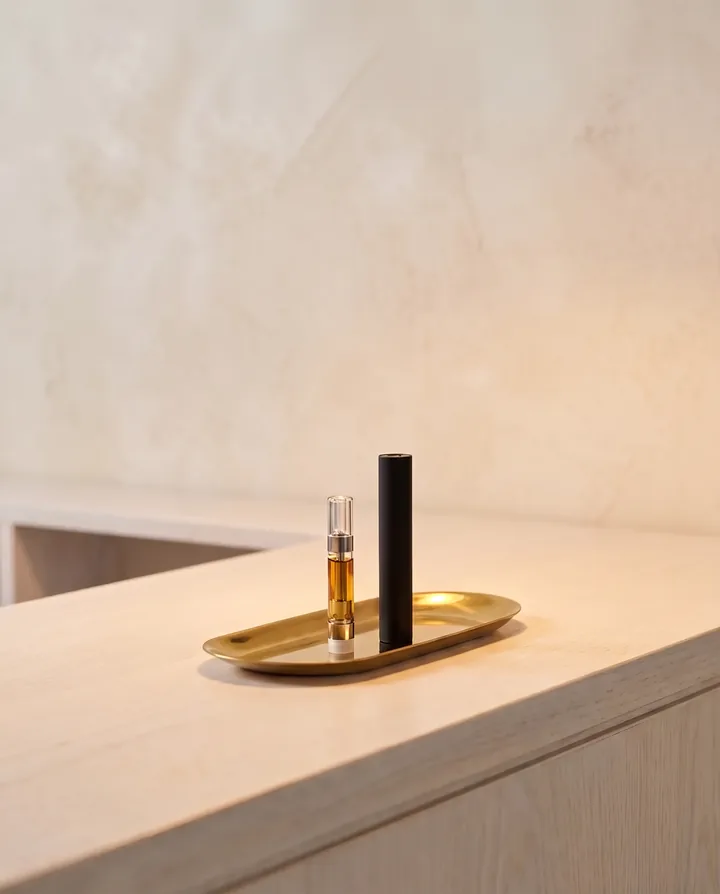
The vaporizer selection reads differently. Some distillate cartridges have botanical terpenes, taken from other plants rather than cannabis, added back after the oil is refined. Their panel describes the finished oil as sold, not the flower it came from.
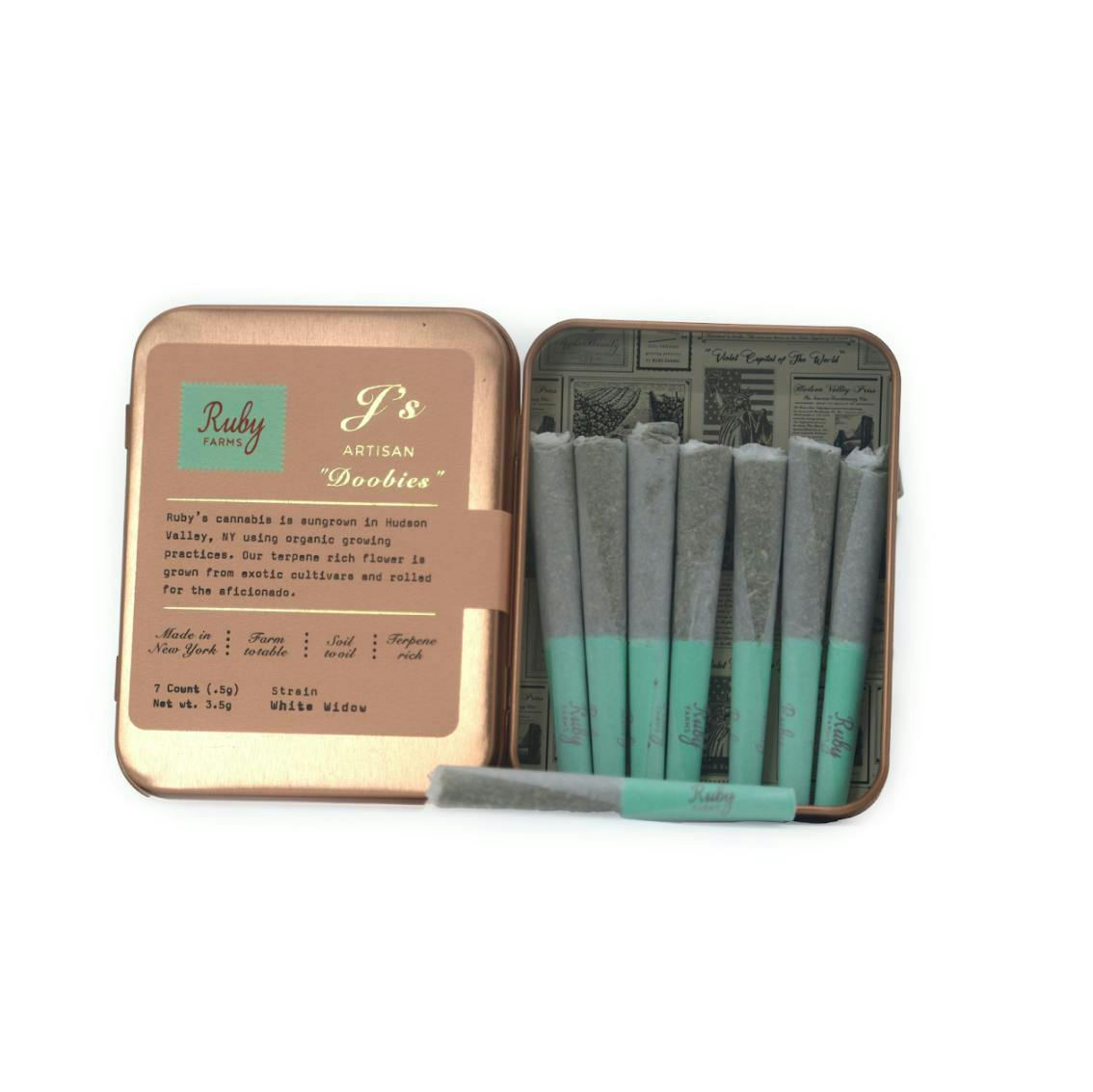
With pre-rolls, check the listing for a panel before you add one to the cart.
Not every listing will show a full terpene panel, so treat a missing panel as missing information rather than as a low reading.
What the live menu measures right now
The table at the bottom of this guide covers every in-stock product with a lab panel. It finds the terpene that measures highest in each one, counts how many products each terpene leads, and lists the top in-stock products with their measured percentages. The counts change as jars sell out and new batches land.
Once you know which terpene matches the smell you like, pick a product from its row and order it from the live menu.